I've always been drawn to fashion, and for as long as I can remember, I knew I wanted to have a fashion business of some kind. What I didn't know was that I would eventually be the one sitting behind a sewing machine, figuring out how to turn an idea into an actual garment.
Before Reinas became what it is today, I was working in the corporate world and running a small jewelry business on the side. Eventually, I left employment without really knowing what I would do next. I spent some time looking for another job while continuing with the jewelry business. Along the way, I found myself around other creatives more often. I attended friends' pop-ups, helped out with sales, and occasionally spent time at a friend's studio, helping with things like ironing and simple stitching. This gave me an early glimpse into the practical side of garment making. Naturally, I've always been a very hands-on person. I love creative projects and DIY, so at the time, learning to sew felt like another creative project I could explore.
I had no idea what it would eventually become.
Finding My Way to Gowns
My love for gowns had been around for much longer.
I had always been drawn to them, particularly through my experiences with modelling and fashion. Growing up in Meru within a strong Swahili-influenced cultural environment, I was also surrounded by beautiful kaftans and buibuis, embroidered and beaded gowns, particularly around weddings. The aesthetic was different from the white wedding gowns I was more familiar with, giving me an early exposure to different silhouettes, details and expressions of what a gown could be. Those details stayed with me.
While I was still running the jewelry business, I started experimenting with clothing too. I would visit thrift markets looking for gowns and other pieces I could resell. I also experimented with imported dresses. Some looked great in photographs but didn't have the quality or finish I wanted in person. I even took some of those pieces to a local tailor to modify them, changing parts of the design and incorporating Ankara. It took time to move those pieces, but I kept experimenting.
Around this time, my experience with modelling was also shaping the way I thought about gowns. I had seen how often gowns were needed for photoshoots and evening or dinner wear, while investing in an expensive designer piece that might only be worn once wasn't always practical. Renting made sense. You could access a beautiful gown for a particular moment without having to make the full investment in owning it. I had also seen this idea being executed internationally, particularly around celebrity culture abroad. That idea stayed with me.
The Beginning of Reinas Gowns
Towards the end of 2021, I received an inquiry from a client looking for a gown for a photoshoot. I didn't have a rental collection at the time, so I sourced a gown for her and delivered it. The photographer and studio then assumed I had access to more gowns. That led to a few more inquiries. It wasn't a flood of business, but it was enough to make me realise there was a demand for gowns specifically for photoshoots.
I started searching and sourcing pieces that I thought would photograph beautifully. I spent time collecting gowns I felt could form a small rental collection, and in December 2021, I did a proper photoshoot with them in preparation for launching.
In January 2022, Reinas Gowns officially began.
At that point, the idea was simple: 'rent gowns for photoshoots and special occasions.'
There wasn't a grand five-year plan behind it. I was exploring an entrepreneurial opportunity and trying to build something that could support me after leaving employment.
At the time, locally, gown rentals were still largely associated with bridal and graduation gowns. Renting gowns for birthdays, photoshoots, red-carpet moments and other occasions wasn't something people talked about as much. But those were exactly the kinds of occasions I was beginning to see.
When Renting Wasn't Enough
A few months into the business, the requests started changing.
Clients began asking for designs that weren't readily available locally. They wanted different silhouettes, details and styles. Buying high-end designer pieces specifically for rental wasn't financially practical for where I was at the time. The more affordable options didn't always give me the quality or design I was looking for either.
So I started thinking about another possibility. What if I could make them myself?
I commissioned a tailor to make one of the designs I had in mind. The result was not what I had envisioned. The client who had commissioned the piece saw it and immediately knew it wasn't right. And the difficult part was that I didn't really know how to fix it either. At that point, I didn't understand fabrics, pattern cutting or garment construction well enough to diagnose what had gone wrong. I knew what I wanted the dress to look like. I just didn't know how to make it.
That was the turning point.
Learning to Sew
I went to YouTube and started learning. I searched for tutorials on how to make dresses, how to sew, how to draft patterns and eventually how to understand the different parts of garment construction.
Fashion school wasn't really viable for me at that point. I had already left employment, I was trying to build a business and I didn't have the time or financial capacity to step away and pursue formal training.
So I learned as I went. I asked questions at the fabric markets. I asked vendors about different fabrics and anything else I had in mind. Basically, I asked anyone who was willing to explain something to me. I experimented, made mistakes, tried again and slowly started putting the pieces together.
I also didn't have a sewing machine at first. A friend encouraged me to keep going and helped me get my first machine. It was an old-school vintage domestic sewing machine, along with a mannequin and a few fabrics. That was my starting kit.
For me, learning to sew initially felt like a DIY project. I was naturally hands-on, I enjoyed figuring things out and there was a problem I needed to solve. I didn't sit there thinking, 'I'm building a fashion house.' I was simply learning how to make the gowns I wanted to see.
The First Reinas Gown
My first gown was the Nia gown. I still have a soft spot for that piece. It was a relatively free-size design and became a favourite for birthdays, baby showers, babymoons, photoshoots and other occasions.
By then, I was learning much more than how to operate a sewing machine. I was learning about fabrics, pattern making, garment construction, finishing and fit. When I needed services I couldn't yet do myself, I outsourced them while continuing to learn. And I'm still learning. I think that's one thing that hasn't changed.
From Rental Gowns to Original Designs
What began as a gown rental business gradually became a design business. As I became more confident with sewing and garment construction, I started creating original designs and samples. Those designs and collections are now part of the curated Reinas rental collection.
The business was changing. I was no longer simply finding gowns for people to wear. I was learning how to create them. And that opened up an entirely different direction for Reinas.
One of the experiences that became particularly pivotal was being selected for the fourth cohort of the British Council's Creative DNA programme in 2023/2024. The programme gave me exposure, connections and experiences that helped shape how I thought about Reinas as a creative business and where I wanted to take it.
Since then, Reinas has continued to evolve.
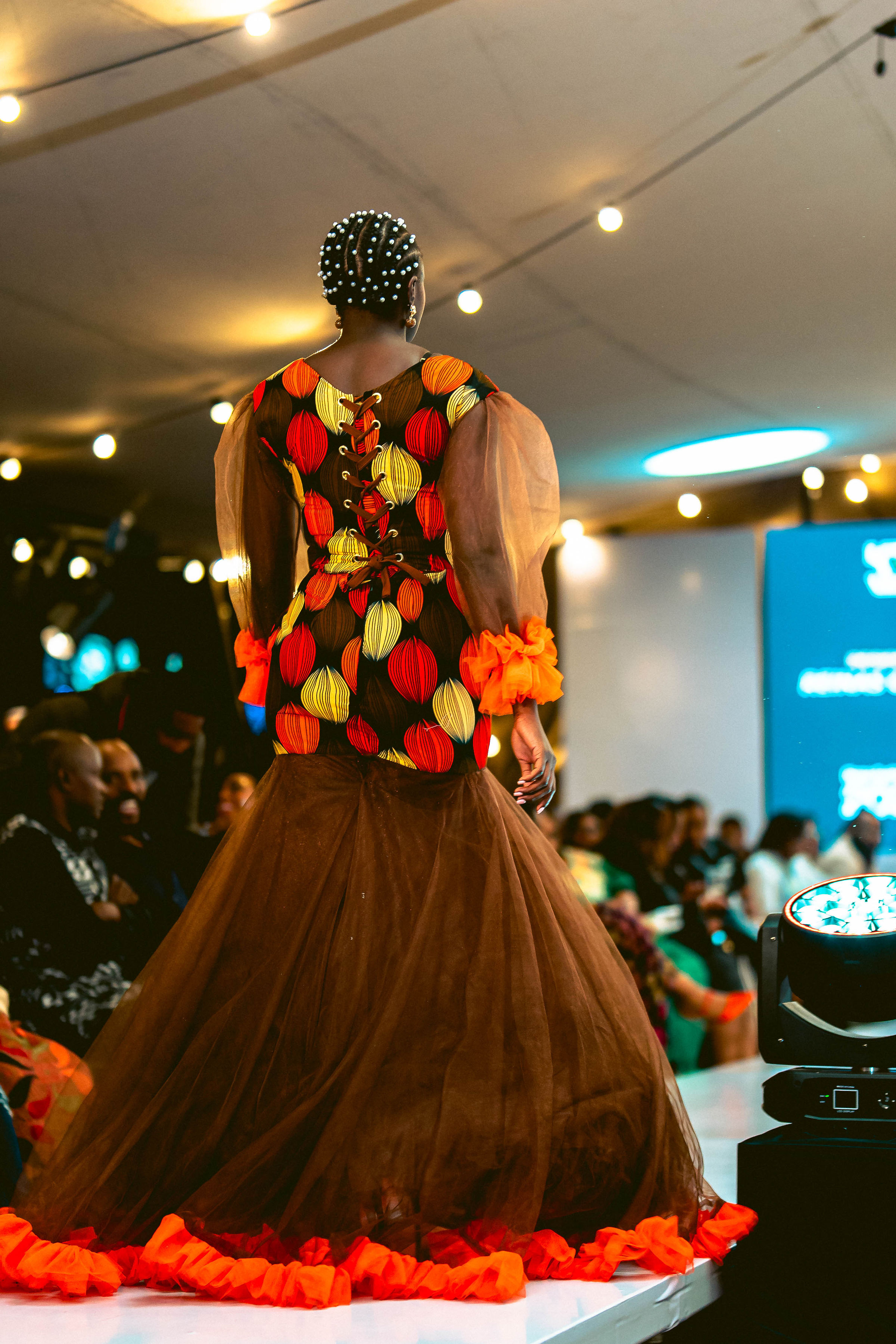
I've had the opportunity to showcase original designs at Tribal Chic, Kenya Fashion Week and other fashion platforms, and to have Reinas pieces featured in a charity fashion show in Scotland.
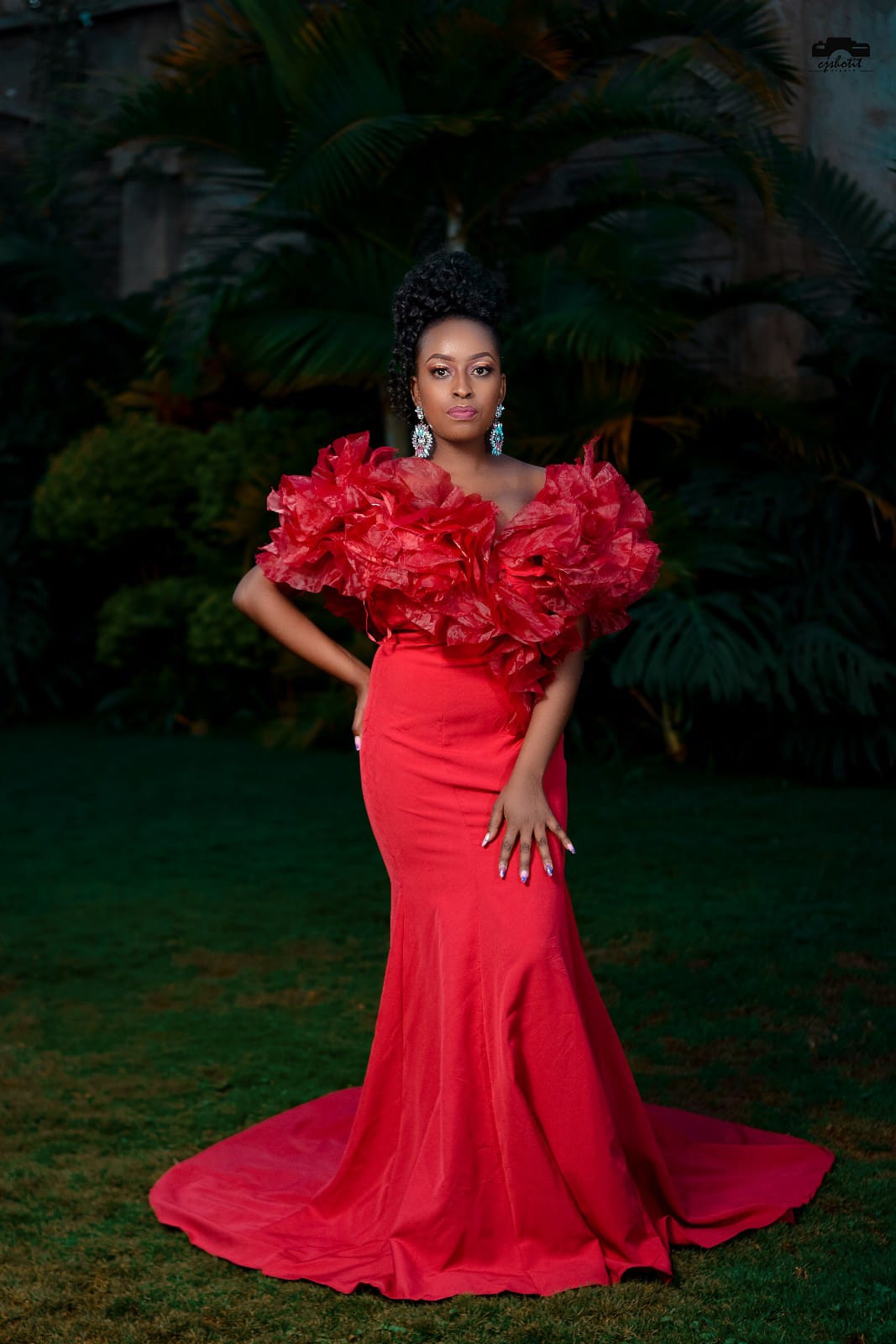
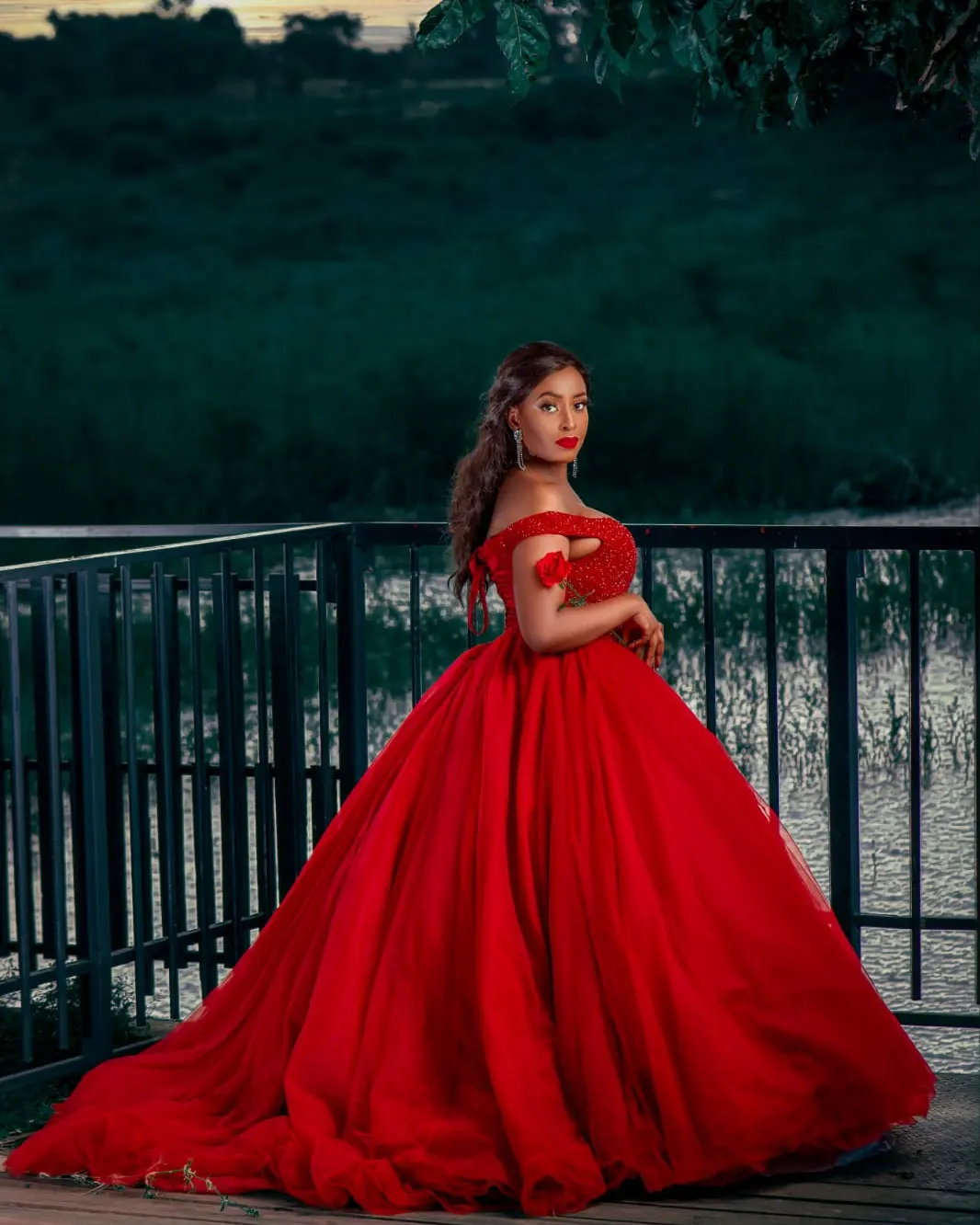
I've also gone from making rental gowns to creating bespoke and custom designs for brides, dignitaries and women celebrating some of the most memorable moments of their lives.
Today, the business has grown into more than the rental collection I started with.
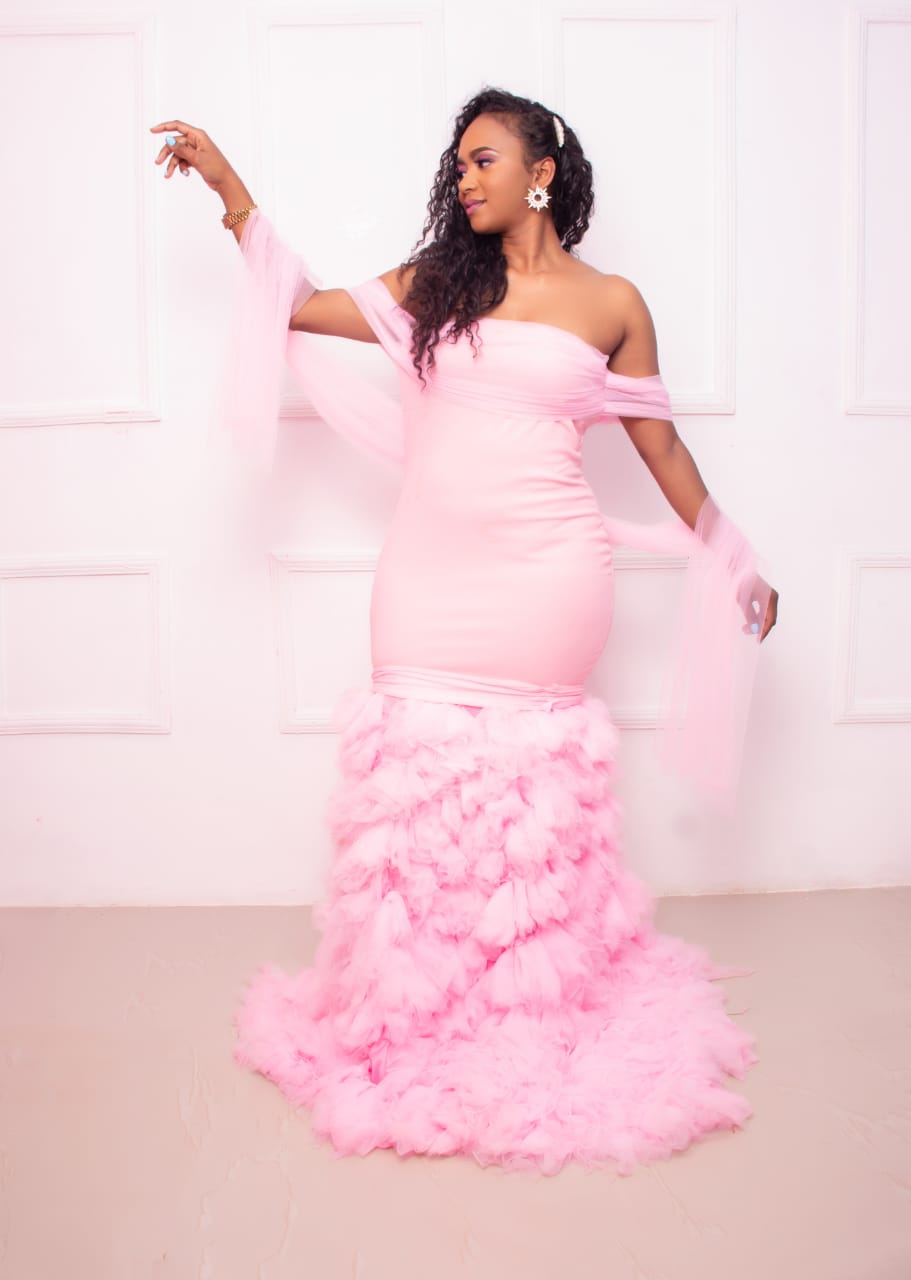
There is Reinas Gowns, with its rental and occasion-wear collections.
There is Nkatha by Reinas, our more effortless ready-to-wear and made-to-order expression.
And there is Reinas Gowns Bridal, which is growing into its own space within the brand.
Looking Back
When I look at the pieces I make now compared with those early gowns, I can see the growth. The construction, finishing, fabric choices and overall design process have all evolved. So has my understanding of what I want Reinas to be.
But when I look at the brand today, I honestly don't always have the words for what I feel.
I can see how far I've come, from not knowing how to sew to creating bespoke and custom designs.
And yet, I still feel like I haven't fully grasped the potential of what Reinas could become.
Maybe that's because I never started with a complete picture.
I started with an entrepreneurial idea, a small collection of gowns and a willingness to figure things out.
Then I learned how to sew because I needed to solve a problem.
And somewhere along the way, that small idea became a fashion business.
Now, the goal is much bigger.
I want to build a fashion house that can outlast me. A business with enough identity, quality and history to live through generations.
I'm still learning. I'm still figuring things out.
But I think that's part of the story too.
May 11, 2026
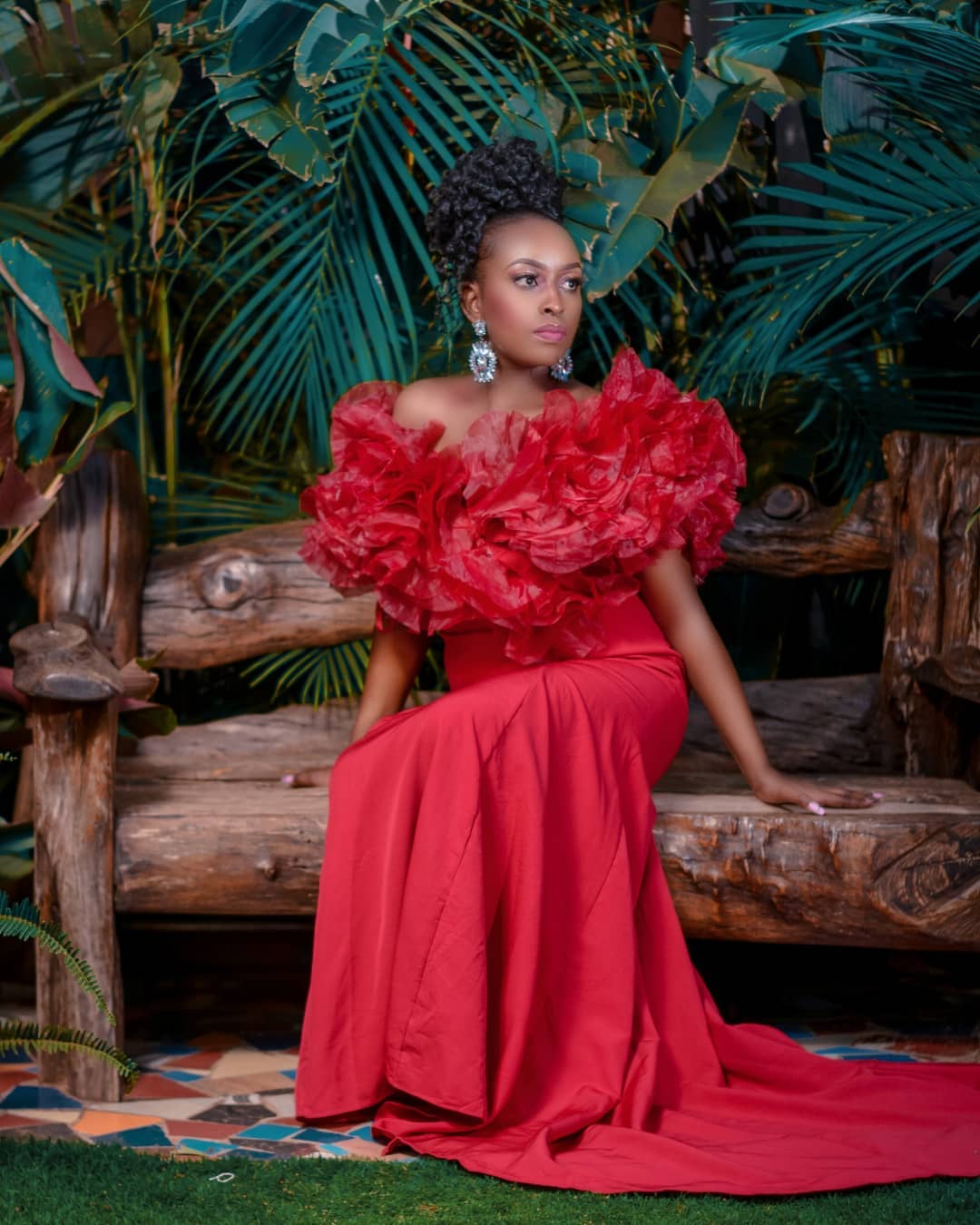
Top 5 Bridal Trends for 2026
From minimalist slips to maximalist ballgowns, discover what is trending in the world of bridal fash...
Read Story